Speaker of the National Assembly Sameer Suleman says Malawi will remain trapped in poverty unless the entrenched system of corruption is dismantled, arguing that changing political leaders alone will not bring meaningful change.
Suleman made the remarks yesterday during prayers organised by Jamat Area 13 Mosque in Lilongwe’s City Centre, monitored on TV Islam.
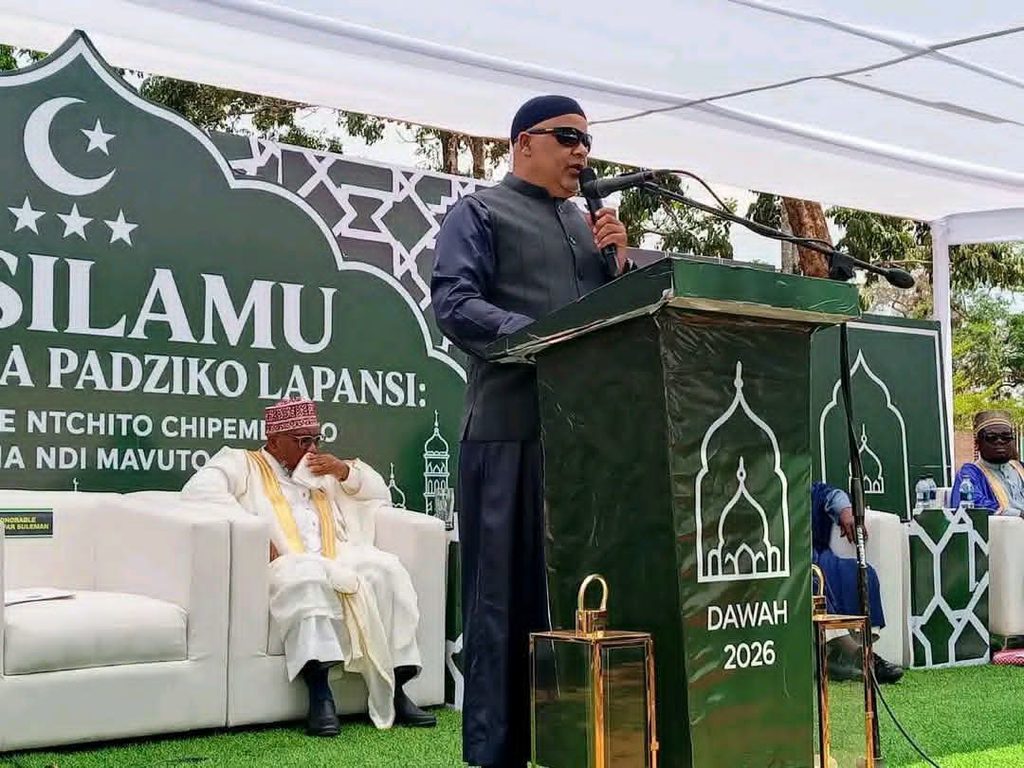
He accused some individuals within the system of frustrating his efforts to fight corruption, alleging that public funds intended to benefit ordinary Malawians were being stolen without those responsible being arrested or prosecuted.
Suleman cited funds allocated for fertiliser for poor households as an example, alleging that the money had been stolen without anyone being held accountable. He also decried alleged plunder of public resources and nepotism.
“When we speak, we are threatened that they will remove us. So some of us are ready to be removed for the sake of Malawians. The gap between the poor and the rich is too wide. We can change about 20 presidents but the system does not allow change. We need to break the system and let the corrupt face the law,” he said.
The Speaker said corruption remained a major obstacle to development, even where the President had good intentions to transform the country.
He added that he was prepared to die for the poor, citing his Muslim faith and belief in the reward for sacrificing one’s life in their service. He also urged those within the system to allow him to discharge his duties in the interests of Malawians.
Chief Secretary to the Government Justin Saidi declined to comment, saying he had not followed the Speaker’s remarks and needed to understand their context.
“I need to have the context first. I was outside the country and have not followed the sentiments so I cannot comment,” Saidi said in a telephone interview yesterday.
Political Science Association of Malawi spokesperson George Chaima said the concerns raised by Suleman suggested that some individuals within the government system were willing to challenge corruption in the interests of Malawians.
Chaima urged authorities to treat the concerns seriously and take action, warning that shielding those involved in corruption would undermine national progress.
“Corruption in this country is becoming worse than ever before, and I think we just have to change the paradigm and adopt a more aggressive approach to dealing with it. We are applying very soft and weak penalties, even to those involved in corruption, if there are penalties at all,” he said.
Chaima added that alleged protection of suspects was undermining efforts to hold people accountable, describing corruption as a problem that continued to spread.
Centre for Social Accountability and Transparency executive director Willy Kambwandira said Suleman’s allegations should neither be dismissed as political rhetoric nor accepted without scrutiny, but subjected to independent and credible investigations.
“The fact that the Speaker is facing court battles arising from the ad hoc committees he instituted does not invalidate his concerns, but neither does it automatically establish their truth. These concerns echo longstanding calls by civil society organisations for accountability and decisive action against high-level corruption,” Kambwandira said.
National Advocacy Platform chairperson Benedicto Kondowe said Suleman’s repeated concerns about high-level corruption raised questions about the integrity of public institutions and the need for decisive accountability.
Kondowe said Parliament had a constitutional responsibility to expose wrongdoing and hold public officials accountable, adding that this role should not be weakened by political pressure or institutional resistance.
“The Speaker’s anti-corruption agenda must be pursued strictly within the law, and the ongoing court proceedings concerning the ad hoc committees must be respected without prejudging their outcome.
The fundamental issue is not whether powerful individuals feel uncomfortable with parliamentary scrutiny, but whether accountability can be pursued independently, lawfully and without fear or favour, because no public office should provide sanctuary from scrutiny,” he said.
In August this year, Suleman instituted joint parliamentary committees to investigate 12 issues of public concern, including fuel supply, pensions, electricity, mining, passport services and prison conditions.
However, the committees’ establishment was challenged in court after Malawian citizen Austin Mkoka applied for judicial review. The case is expected to come before the court next month.